


By Bimala Shrestha
Inclusion isn’t just right. It’s ripe with opportunity.
KATHMANDU — Every year, Kathmandu’s streets fill with color, music, and celebration as the Transgender Pride Parade winds through the city. To many, it’s a moving declaration of identity and equality. But if you pause and look closer, you’ll see something more like a living, breathing preview of Nepal’s untapped economic promise.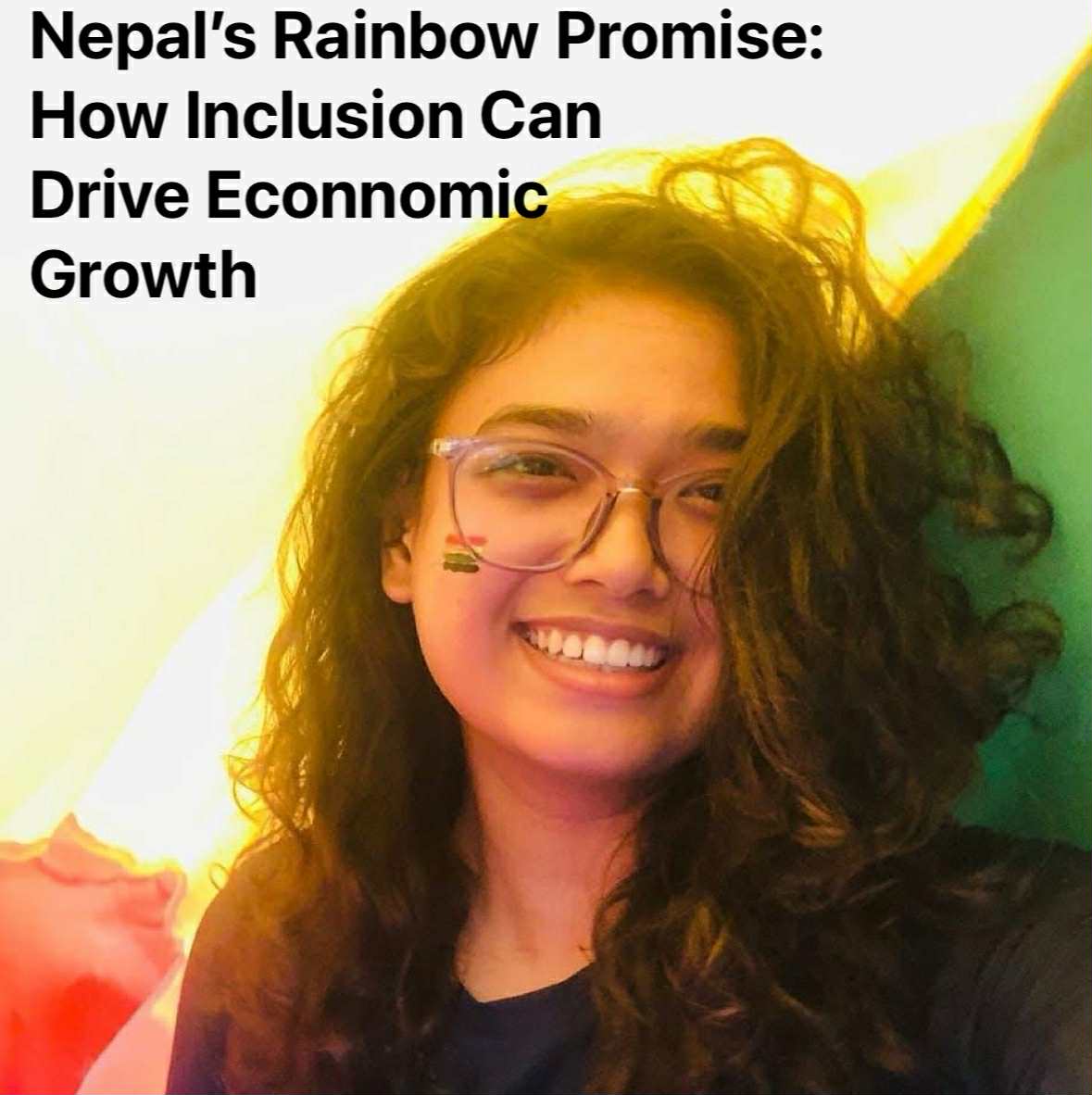
In a world that increasingly values dignity and inclusion, Nepal’s progressive legal stance recognizing transgender women as women, transgender men as men, and upholding same-sex marriage isn’t just socially significant. It’s a strategic advantage. Our country is quietly positioning itself as South Asia’s safest, most welcoming destination, ready to embrace a global LGBTQ+ community whose annual spending power is estimated at a staggering $4.7 trillion.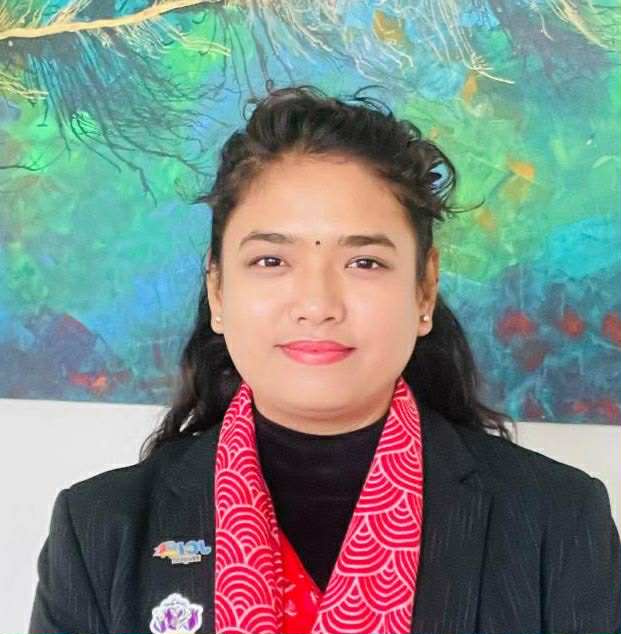
The Law as an Economic Engine
Nepal’s legal recognition of gender and sexual diversity isn’t just about justice; it’s fast becoming a cornerstone of real economic planning. The Nepal Tourism Board has already named LGBTQ+ tourism a key growth sector. In that light, the Pride Parade acts as a living advertisement proving that Nepal is open, safe, and ready to welcome everyone.
“Travelers from the LGBTQ+ community often seek places where they can be themselves without fear,” says tourism analyst Sanjay Prasain. “Nepal’s laws and visibility give it a unique edge.”
And the data backs that up. Last year, I spoke with a hotel owner in Pokhara who told me, “When LGBTQ+ travelers come, they don’t just book a room but they experience the place. They stay longer, eat locally, buy handicrafts, and come back with friends.” That personal insight aligns with the numbers: nearly 40% of global LGBTQ+ tourism spending goes directly to accommodations. This isn’t just about filling hotels; it’s a lifeline for homestays, mountain resorts, and the local artisans whose crafts tell Nepal’s story. For a country so rich in natural beauty and culture, the potential isn’t just big, but transformative.
The Other Side of the Story: Barriers to Inclusion
Yet the joy of Pride Day stands in stark contrast to the daily reality for Nepal’s transgender community. Despite legal protections, discrimination remains widespread. A 2024 study found that over 64% of transgender women in Nepal are engaged in informal or vulnerable work, including sex work, because formal doors remain closed.
Beyond being a social concern, this is a matter of economic opportunity. When skilled, capable individuals are sidelined because of their gender identity, our whole economy suffers.Research from other regions shows that discrimination can cost economies billions in lost productivity and tax revenue. Here in Nepal, the untapped potential of transgender citizens represents both a profound loss and a tangible opportunity.
The Pride Parade, attended by over a thousand people each year, is also a collective call to action: from paper rights to real jobs, from recognition to true inclusion.
Local Impact, Visible Growth
The economic ripple of Pride is felt immediately in Kathmandu. Hotels fill up, restaurants buzz, and local businesses especially those owned by LGBTQ+ entrepreneurs see a real surge in revenue. For many, Pride weekend isn’t just symbolic; it’s one of the most profitable periods of the year.
Corporate sponsorship, though sometimes met with skepticism, brings tangible investment. It also sends a signal to the world that Nepal is a society moving forward, one that values diversity and stability which is an increasingly attractive quality for foreign investors.
The Path Forward: From Policy to Shared Prosperity
Nepal has built a strong legal foundation. Now comes the next step of turning policy into shared prosperity. This means not only welcoming LGBTQ+ visitors but actively empowering LGBTQ+ citizens-entrepreneurs, creators, and professionals. It’s about stepping forward together, hand in hand, to build an economy where every idea and every identity can thrive.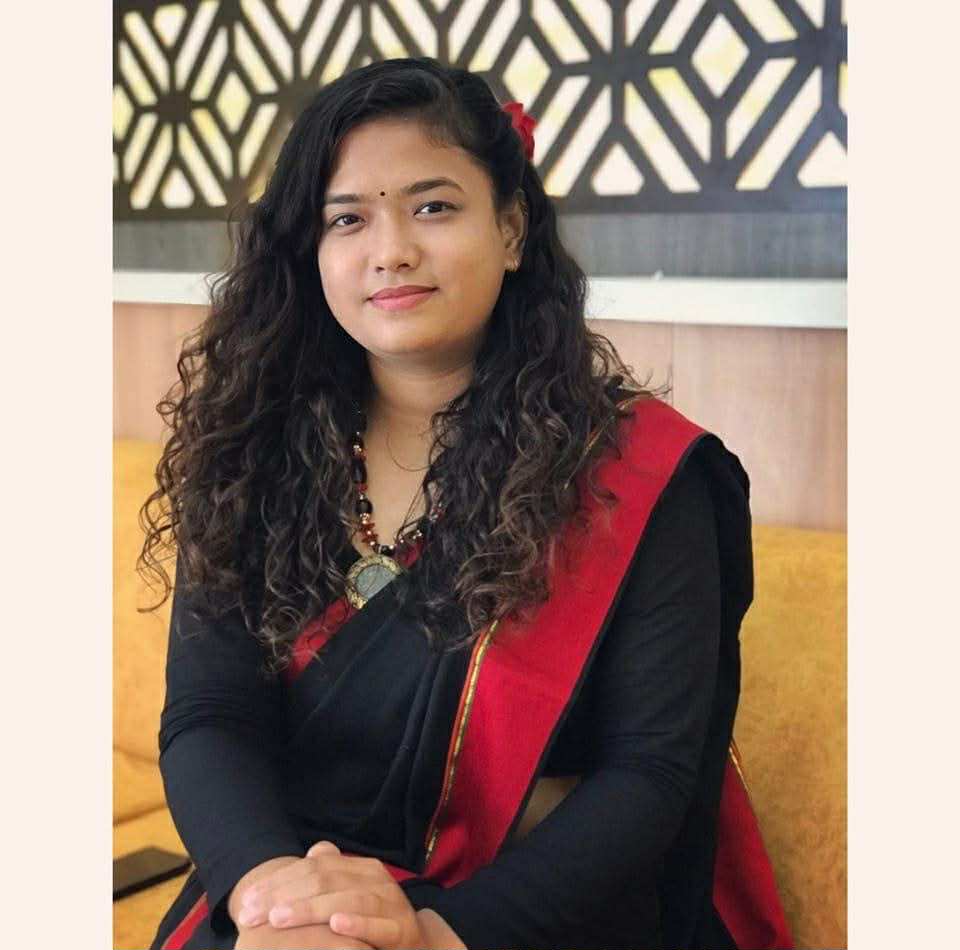
“Our Pride is not just a protest; it’s a promise—a promise that Nepal can be both just and prosperous,” says Maya Gurung, a transgender rights activist and small business owner. “When everyone has a seat at the table, the whole nation eats better.”
A Rainbow Future
The Transgender Pride Parade is more than a march, it is a reflection of how far we’ve come and a guide toward the Nepal we can yet become. By weaving inclusion into not only our laws but also our economy, we open doors to billions in tourism, talent, and shared growth.
When we rise together, we all move forward.

